Truthframe
Provenance check · no account needed

Don't Get Catfished — Check the Photo First

Upload their profile picture and see in seconds if it's stolen, stock, or AI-made — before you send a message or a dime.

Free first read · private to you · no face recognition

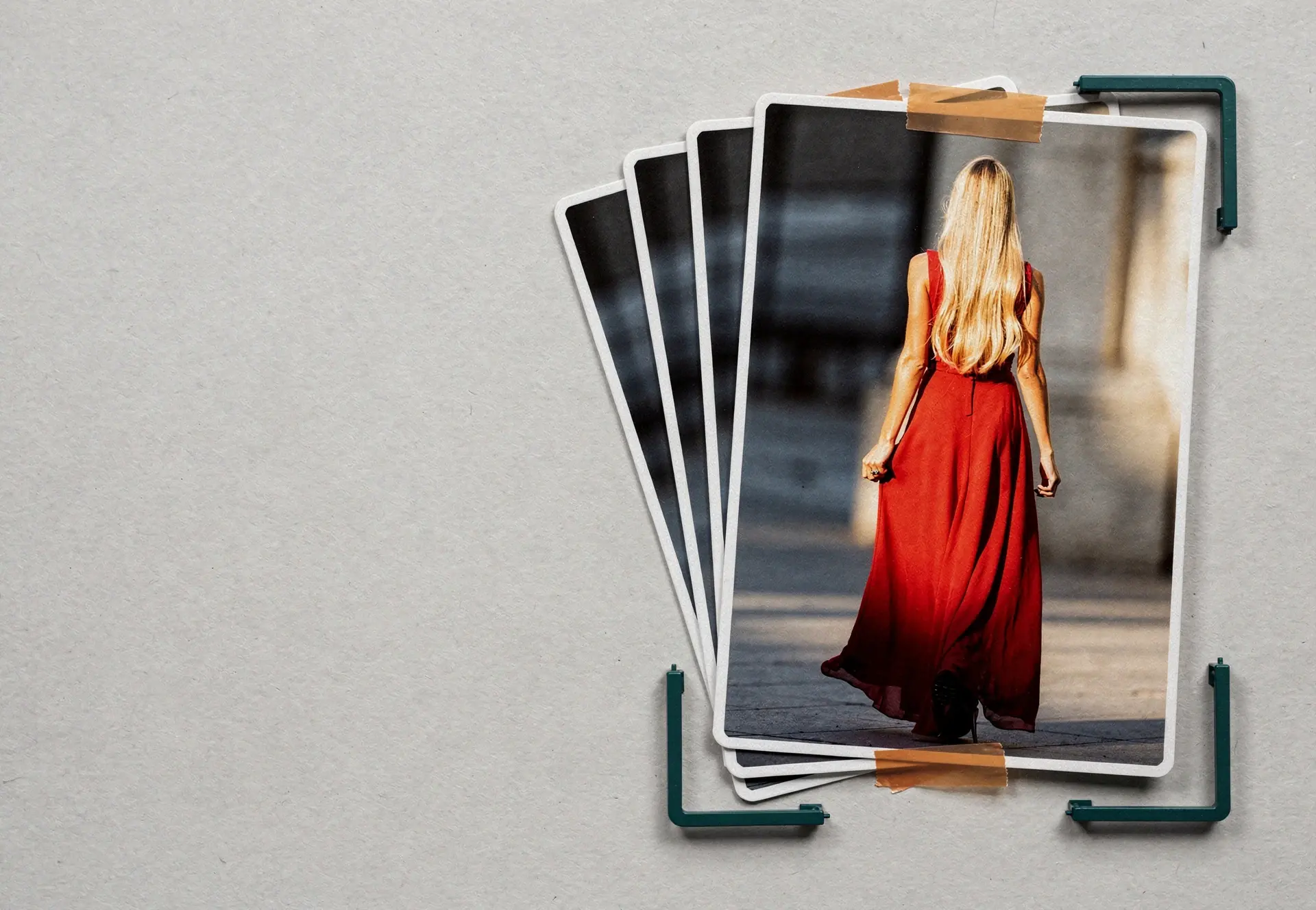
A fanned deck of photographic prints on porcelain paper, the top one a full-length photograph of a tall blonde woman in a long red dress walking away from the camera, framed by petrol corner registration brackets like a photo on a scan bed.
Sample read
Appears elsewhere
0 sources
First seen
2019
Stock match
None
Synthetic
Low
2 signals to review
0
Signals per photo
~0s
To a plain-language read
0B+
Public images cross-referenced

Americans reported $0B in romance-scam losses in 2025.Source · FTC

How it works

From doubt to a read in three steps.

  1. 01

    Upload

    Drop in the photo they sent you. No account, no download — just the image.

  2. 02

    Read

    In seconds, see where that photo lives online and whether any of the four signals raise a flag.

  3. 03

    Decide

    Keep the receipts. Unlock the full source list and save the check whenever you want more.

What every check looks at

One upload. Four signals. One clear read.

Truthframe checks the photograph — never the person. Every read tells you where an image has been, not who anyone is.

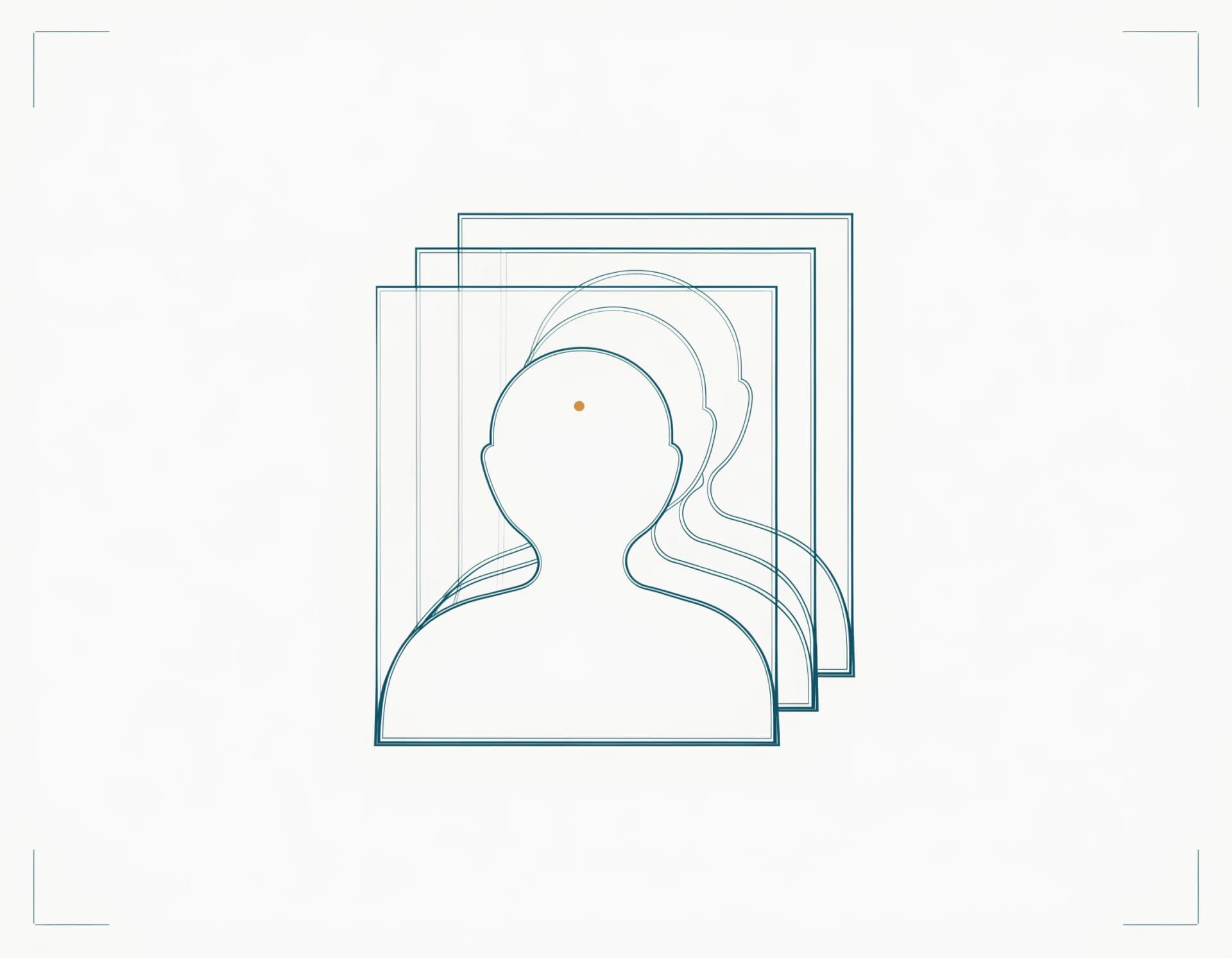
Four overlapping photographic prints of the same portrait, each fainter toward the back — one photo of one person reappearing in several places.
The core check

Where the photo appears

Reverse-image provenance traces the picture across the public web — every place it turns up, and the earliest date it showed up. A face living on ten profiles under different names leaves a trail you can follow.

Sources · 7First seen · 2019Perceptual-hash match
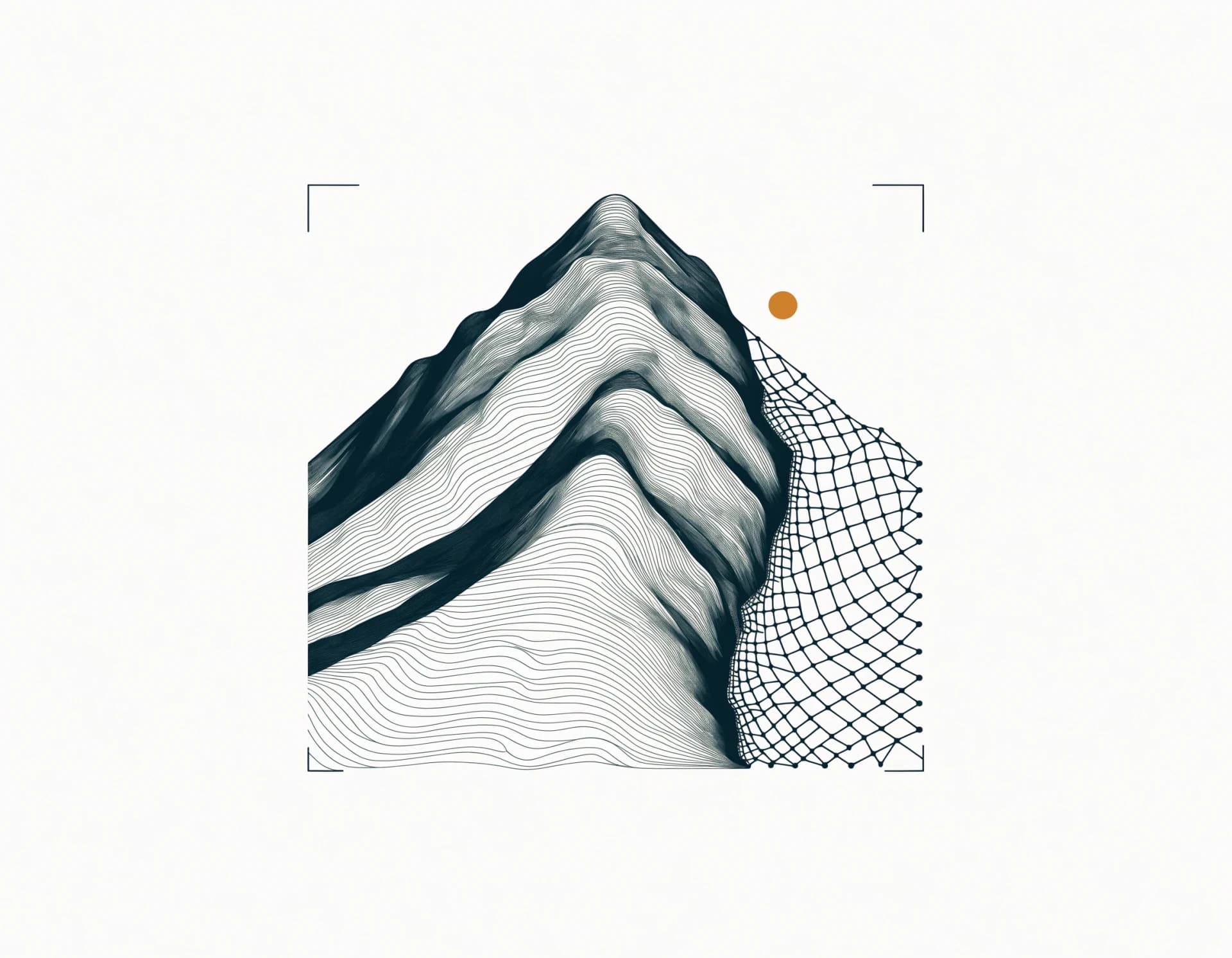
A photographic print of a portrait whose right side dissolves into a fine synthetic lattice mesh — a signal of AI-generated patterns.
Secondary

Made by a machine

Surfaces the fingerprints of AI image generation in the pixels — an abstract pattern read, never a face.

Synthetic pattern · scored
Secondary

Stock & catalog

Flags photos lifted from stock libraries and catalogs — the too-perfect shots that were never theirs to begin with.

Catalog match · checked
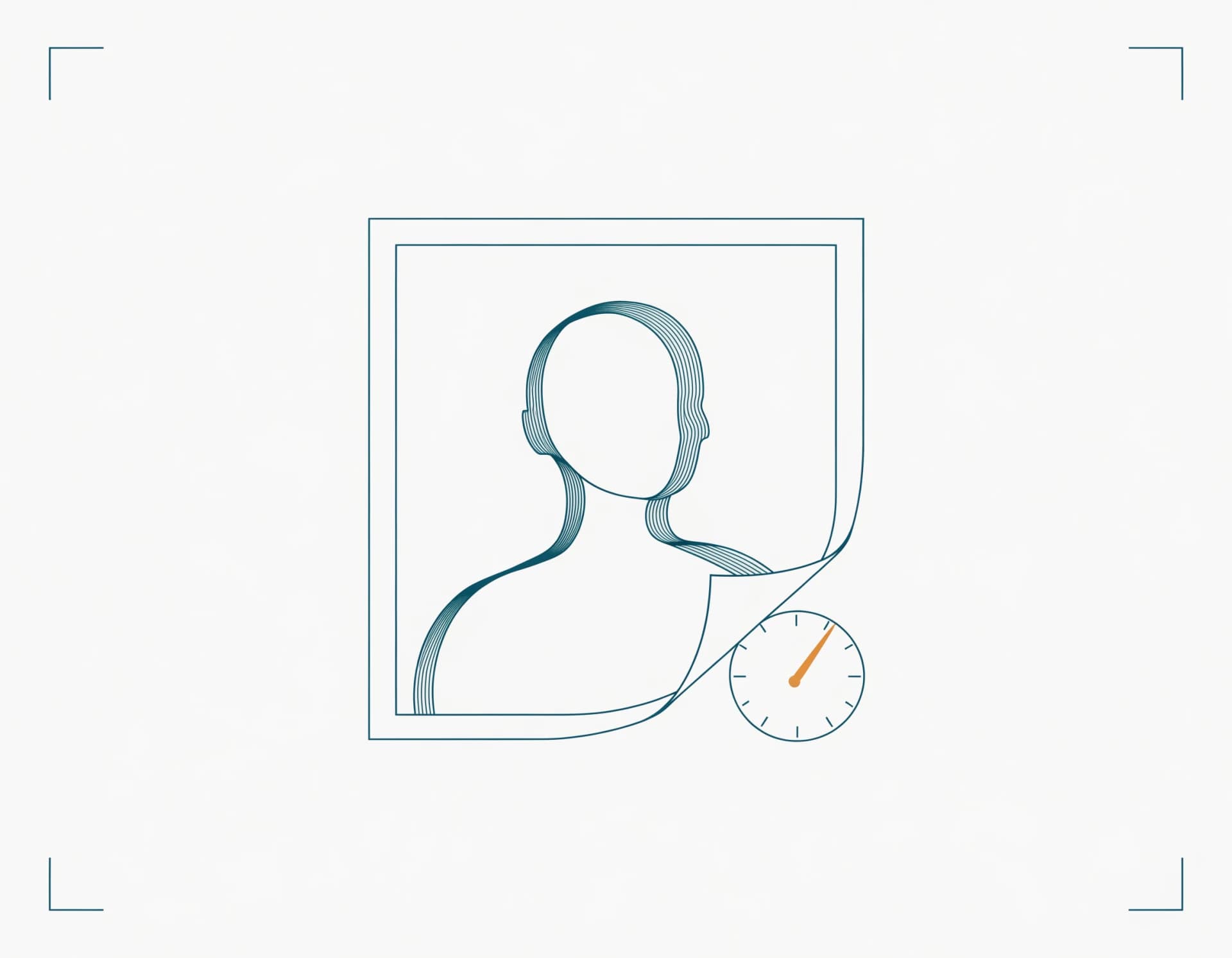
A photographic print of a portrait with a curled, aged corner beside a small clock dial — a signal that a photo is older than it claims.
Secondary

Older than it claims

Reads the photo's earliest known appearance, so a ‘recent’ picture that is really years old can't slip past.

Earliest seen · read
Why it matters

You already had the feeling. This is the second opinion.

  • You matched fast, but their photos look too polished to be real
  • They're already hinting at money or pushing you off the app to WhatsApp
  • Romance scams drained over $1 billion from people last year — you don't want to be next

A plain-language read on whether the photo you were sent can be trusted.

Reverse-image provenance — the same trail investigators follow to catch stolen dating photos.

Private to you. We check the image you paste in — we never announce that you looked, and we never try to name the person in the photo.

Check before the first date or the first payment — once the money's gone, it's gone.

Pricing

Start free. Pay only if you want the full picture.

Your first read

Free

A plain-language summary of all four signals, above the gate. No account. No card.

The full report

$19 one-time

Every source location and first-seen date, the full provenance detail, and your check saved to return to.

Every check starts with the free read · upgrade only if you want the full report

Check the photo before you trust the profile.

A plain-language read on whether the photo you were sent can be trusted.

Free first read · private to you · no face recognition

Truthframe

A defensive tool for checking a photo someone sent you. It reports where an image appears online — never who a person is — using reverse-image and pattern signals, not facial recognition.

© 2026 TruthframeRomance-scam loss figure · FTC, 2025